Some days, your body is asking for help. Other days, it is your mind that feels full, tired and overstretched. When clients ask whether to choose reiki or massage therapy, they are often really asking a deeper question – what kind of support do I need right now?
Both treatments can be deeply restorative, but they work in different ways. One is typically more physical, working through muscle tension, stiffness and stored strain in the body. The other is gentler and energetic, creating space for emotional release, nervous system calm and a greater sense of inner balance. Neither is better in every situation. The right choice depends on what you are carrying, how you like to receive care, and what healing looks like for you at this stage of your journey.
Reiki or massage therapy: what is the difference?
Massage therapy is centred on the physical body. A qualified therapist uses hands-on techniques to work with muscles, soft tissue and areas of tension. Depending on the style of massage, treatment may be soothing and flowing or more targeted and remedial. Many people book massage when they are experiencing tight shoulders, back pain, headaches linked to tension, poor posture, general aches or the physical effects of stress.
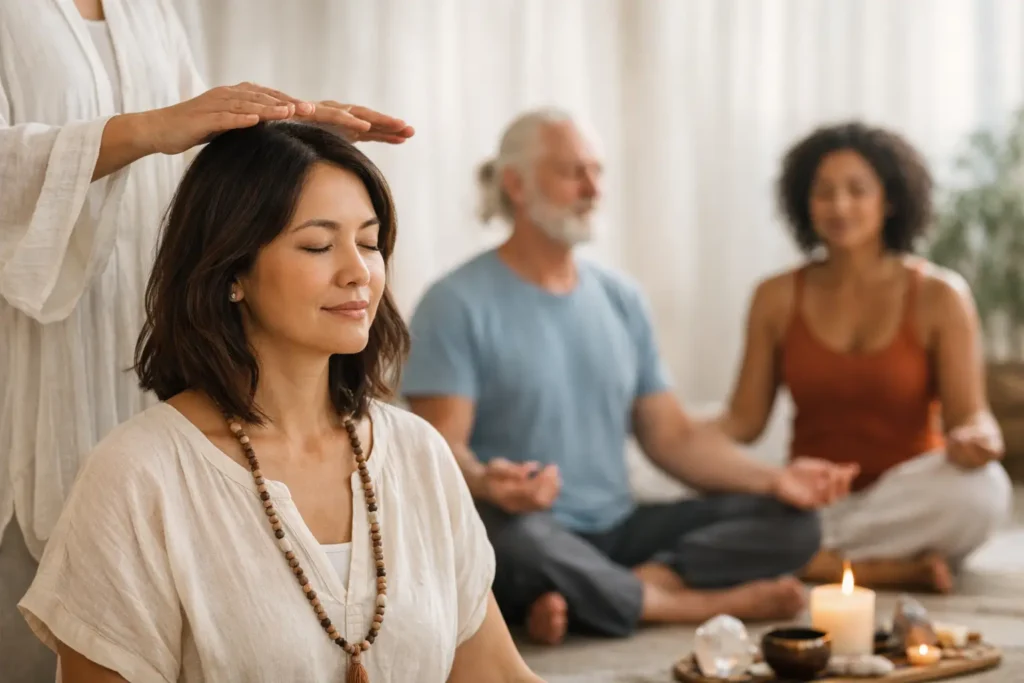
Reiki is different. It is a non-invasive energy healing treatment that supports relaxation, balance and overall wellbeing. During a session, the practitioner channels healing energy through light touch or hands held just above the body. Clients often describe it as calming, grounding and surprisingly powerful in its subtlety. While massage works directly with tissue, Reiki works more quietly, helping to settle the whole system.
That difference matters because stress does not always live in the same place. Sometimes it shows up as clenched muscles and a heavy neck. Sometimes it feels more like emotional overwhelm, poor sleep, mental chatter or a sense of being disconnected from yourself. A skilled holistic practitioner will always look beyond the surface symptom and help you choose from a place of understanding, not guesswork.
When massage therapy may be the better choice
If your main concern is physical discomfort, massage is often the most immediate route to relief. Tightness in the upper back, tension headaches, sore legs, postural strain from desk work and muscular fatigue can all respond well to hands-on treatment. Massage improves circulation, encourages the release of built-up tension and helps the body move out of that braced, protective state many of us carry without realising.
For busy professionals and parents especially, massage can feel like permission to stop holding everything together. The physical contact, the pressure through the muscles and the rhythm of the treatment can bring a very tangible sense of release. You may walk out feeling lighter, looser and more present in your own body.
It can also be a strong choice if you are someone who finds comfort in clear, physical treatment. Some people want to know exactly where the tension is and feel it being worked through. If that sounds like you, massage may feel more familiar and easier to trust at first.
That said, massage is not always the perfect fit. If you are feeling emotionally raw, highly sensitive, very fatigued or simply do not want deeper physical input, Reiki may feel safer and more supportive.
When Reiki may be the better choice
Reiki is often chosen by clients who feel stressed, anxious, emotionally drained or energetically out of balance. You may not have one obvious ache or injury. Instead, you might feel exhausted for no clear reason, unable to switch off, low in mood, tearful, restless or disconnected from yourself.
This is where Reiki can be incredibly supportive. It offers stillness without demand. There is no need to explain everything perfectly or hold yourself together during the session. Many people find that Reiki helps them drop into a deeper state of rest than they have experienced in a long time.
It can also be a good option if touch feels too much. Because Reiki is gentle and non-intrusive, it is often welcomed by people who are going through periods of grief, anxiety, burnout or emotional transition. Some clients notice warmth, tingling or waves of calm during treatment. Others simply feel deeply rested afterwards. The response is individual, but the overall aim is the same – to support balance across mind, body and spirit.
For those already on a path of self-development or spiritual healing, Reiki may also feel aligned with the way they want to be supported. It does not force the process. It invites the body and energy system to soften and reset.
Reiki or massage therapy for stress and burnout
Stress sits at the heart of many treatment bookings, which is why this comparison comes up so often. The truth is that both therapies can help with stress, but they do so through different doorways.
Massage helps by addressing what stress does to the body. Tight shoulders, jaw tension, shallow breathing, headaches and fatigue often improve when the muscles are encouraged to let go. If your stress feels physical and built-up, massage can be a powerful release.
Reiki helps by working with the inner state beneath the symptoms. If your stress feels more emotional, mental or energetic – racing thoughts, overwhelm, feeling unsettled, poor sleep, a sense of depletion – Reiki may bring the kind of quiet recalibration you need.
Burnout can be more complex. When someone is running on empty, deep tissue work may feel too much, at least initially. In those moments, Reiki or a gentler holistic treatment may be a better starting point. Once the nervous system has settled, massage can then become part of the recovery process. Healing is not always about choosing one therapy forever. Often, it is about receiving the right treatment at the right time.
Can you have both?
Yes, and for many people that is where the real transformation happens.
Massage and Reiki are not opposing choices. They complement one another beautifully. Massage works through physical tension and helps you return to the body. Reiki supports emotional calm, energetic balance and a deeper sense of peace. Together, they can create a more complete healing experience.
Some clients alternate between the two depending on what life is asking of them. Others begin with massage and then explore Reiki once they feel more settled. Some know they need both because their tension is never just muscular or just emotional. That is often the reality of modern life. The body and mind do not separate themselves neatly, so your support does not need to either.
At an experienced holistic centre such as Birmingham Holistic, that joined-up view matters. When practitioners understand both physical wellbeing and energetic support, you are more likely to be guided towards the treatment that genuinely meets your needs.
How to decide between Reiki or massage therapy
A simple way to choose is to ask yourself where you feel the problem most strongly.
If the answer is in your muscles, joints, posture or physical tension patterns, massage is likely to be the clearer starting point. If the answer is in your emotions, your energy, your sleep or your ability to feel calm, Reiki may be the better first step.
You can also consider how you prefer to receive care. If you want active hands-on bodywork, choose massage. If you want stillness, quiet and a gentler treatment experience, choose Reiki.
And if you are unsure, that uncertainty is useful in itself. It often means you need a treatment space where someone can listen properly and guide you with care. The best wellness support is never one-size-fits-all. It is personal, responsive and rooted in trust.
What to expect after your session
After massage, many people feel looser, sleepier and physically lighter. Occasionally there can be some tenderness if the body has been holding significant tension. Drinking water, resting and allowing the body time to integrate can help.
After Reiki, people often report a sense of peace, emotional softness or mental clarity. Some feel energised, while others feel ready for deep rest. Because Reiki works subtly, its effects may continue to unfold over the following day or two.
Neither treatment needs to be dramatic to be effective. Healing is often quieter than people expect. Sometimes the real shift is that you breathe more deeply, sleep more soundly, think more clearly and feel a little more like yourself again.
If you are choosing between reiki or massage therapy, try not to think in terms of right or wrong. Think in terms of what feels supportive, safe and needed now. Your body has its own wisdom. Your energy does too. When you listen carefully, the next step usually becomes much clearer.