A difficult season does not always show itself as a clear physical symptom. It may feel like a racing mind at bedtime, a heaviness that follows you through the day, grief that has nowhere to go, or a sense that you have become disconnected from yourself. What is spiritual healing? It is a gentle, complementary practice designed to support your sense of inner peace, emotional balance and connection during times like these.
Rather than diagnosing illness or replacing medical care, spiritual healing creates quiet space for you to rest, reflect and receive compassionate support. For many people, that pause alone can feel deeply restorative.
What is spiritual healing?
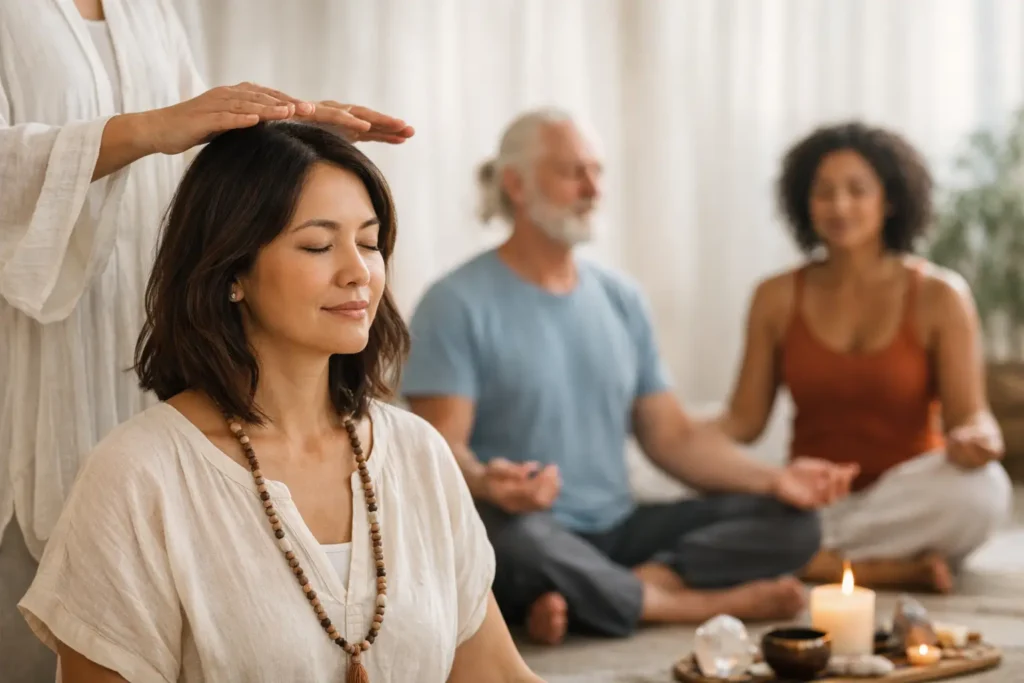
Spiritual healing is an energy-based wellbeing practice. A practitioner works with the intention of supporting harmony in a person’s mind, body and spirit. It is often offered through light touch, or with the practitioner’s hands held a short distance from the body, while you remain fully clothed and comfortably seated or lying down.
The experience is personal. Some clients describe warmth, tingling, a feeling of calm or emotional release. Others simply enjoy a rare opportunity to switch off without demands, conversation or pressure to perform. You do not need to follow a particular faith, hold spiritual beliefs or know anything about energy work to attend. An open mind and a willingness to give yourself time are enough.
At its heart, spiritual healing is not about promising a quick fix. It is about making room for the parts of you that may have been overlooked while you have been coping, caring for others or pushing through a demanding routine.
How spiritual healing may support wellbeing
Stress affects more than our thoughts. It can alter sleep, concentration, mood, breathing patterns and the way the body holds tension. When life feels relentless, a calming therapeutic session can help you step out of that cycle for a while.
People seek spiritual healing for many different reasons. You may be navigating bereavement, relationship change, anxiety, low mood, burnout or a major life decision. You may be recovering from a physically demanding period and want support that feels nurturing alongside your existing care. Or perhaps nothing is obviously wrong, but you miss feeling settled, present and connected to your own needs.
A session may encourage relaxation and a greater sense of emotional clarity. It can also become part of a wider self-care routine that includes rest, movement, nourishing food, counselling, meditation, massage or medical support where needed. The benefits depend on the individual, their circumstances and what they are hoping to receive from the session.
It is helpful to approach spiritual healing as complementary support, not a treatment for medical conditions. A qualified practitioner should never advise you to stop medication, delay seeing a GP or replace care from a regulated healthcare professional. If you have persistent, severe or worrying symptoms, seeking appropriate medical advice remains essential.
What happens in a spiritual healing session?
A good session begins with a conversation. Your practitioner may ask what has brought you in, how you have been feeling and whether there is anything you would like the session to focus on. You are always free to share only what feels comfortable. There is no need to explain every detail of your life for the treatment to be worthwhile.
You will then be invited to settle into a comfortable position. The room should feel private, calm and respectful, allowing you to relax without interruption. Some practitioners use soft music; others prefer quiet. Your consent matters throughout, particularly if touch is offered. You can ask questions, request no touch, change position or stop the session at any point.
During the healing itself, the practitioner may place their hands gently on areas such as the shoulders, head, arms or feet, or hold their hands just above the body. Their role is to offer focused, compassionate attention in a safe environment. You do not have to do anything perfectly. Many people close their eyes, notice their breathing or allow thoughts to come and go.
Afterwards, you may want a few minutes to sit quietly and talk about how you feel. Some clients leave feeling lighter or deeply relaxed; others feel thoughtful, sleepy or emotional. Drinking water, keeping the rest of the day gentle where possible and noticing how you feel over the following days can be useful.
Spiritual healing, Reiki and meditation: what is the difference?
These practices can sit beautifully alongside one another, but they are not identical. Spiritual healing is a broad term for practitioner-led energy healing intended to support wellbeing and balance. Reiki is a specific Japanese energy healing system with its own principles and training lineage. A Reiki practitioner uses Reiki methods, while a spiritual healer may work within a different healing tradition.
Meditation, meanwhile, is usually a self-directed practice of focusing the mind, observing thoughts or cultivating calm. Guided meditation can be especially helpful if your mind feels busy and you would value gentle structure. Spiritual healing is more receptive: you come to rest while the practitioner holds a supportive therapeutic space.
There is no need to choose one practice forever. Someone experiencing acute stress may appreciate a spiritual healing session for quiet, one-to-one support, then use guided meditation at home to sustain a calmer rhythm. Another person may find that massage helps them release physical tension while healing work supports their emotional wellbeing. Your journey to balance can be shaped around what genuinely helps you.
Choosing a practitioner you can trust
Feeling safe with your practitioner matters as much as the treatment itself. Look for someone who explains what they offer in plain language, respects your boundaries and is clear that spiritual healing complements rather than replaces healthcare. Professional training, relevant insurance, experience and a calm, ethical approach are all reassuring signs.
It can help to ask how a first appointment is structured, whether hands-on contact is used, and what support is available if you feel emotional during or after the session. A thoughtful practitioner will welcome these questions. You should never feel pressured to disclose more than you wish, book a package immediately or make decisions based on fear.
For those seeking a trusted, peaceful setting in Birmingham, Birmingham Holistic offers practitioner-led spiritual healing within a wider range of supportive wellbeing therapies. This can be particularly valuable if you are looking to care for mind, body and spirit in one welcoming space.
Who might benefit from spiritual healing?
Spiritual healing can be suitable for adults from many backgrounds, including those who are entirely new to complementary therapies. It may appeal if you feel emotionally overwhelmed, restless, disconnected, drained by caring responsibilities or in need of a quiet reset. It can also offer valuable reflective time during periods of personal growth or change.
That said, it is not the right support for every situation on its own. If you are experiencing a mental health crisis, thoughts of harming yourself or others, severe depression, psychosis, intense trauma symptoms or a medical emergency, urgent professional help is needed. Complementary wellbeing sessions can sometimes be part of a broader support plan, but they should be considered carefully alongside appropriate clinical care.
You may also find that one session feels enough for now, while someone else prefers regular appointments. There is no universal schedule. Let your response, budget, energy and wider needs guide the decision rather than the idea that healing must look a certain way.
Giving yourself permission to receive
Many people find it easier to care for everyone else than to accept care themselves. Spiritual healing offers a simple invitation to pause that pattern. For an hour, you are not required to solve, achieve or explain. You are allowed to rest.
If you are curious, begin with a single session and arrive without expectation. Notice whether you feel more grounded, calmer or more connected afterwards. Healing is often less about one dramatic moment and more about the gentle decision to keep returning to yourself with patience, kindness and support.