Woojer Mat
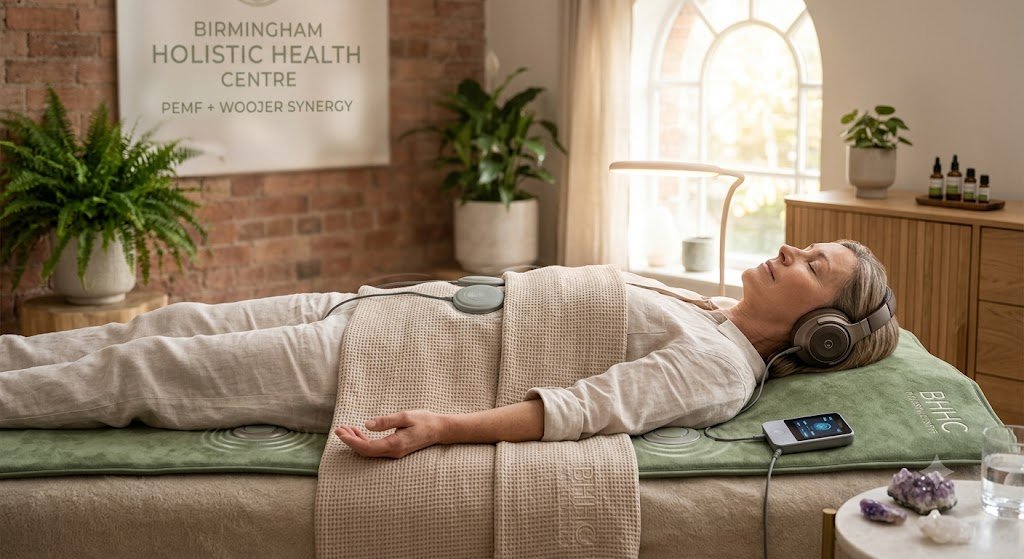
Official therapist with woojer
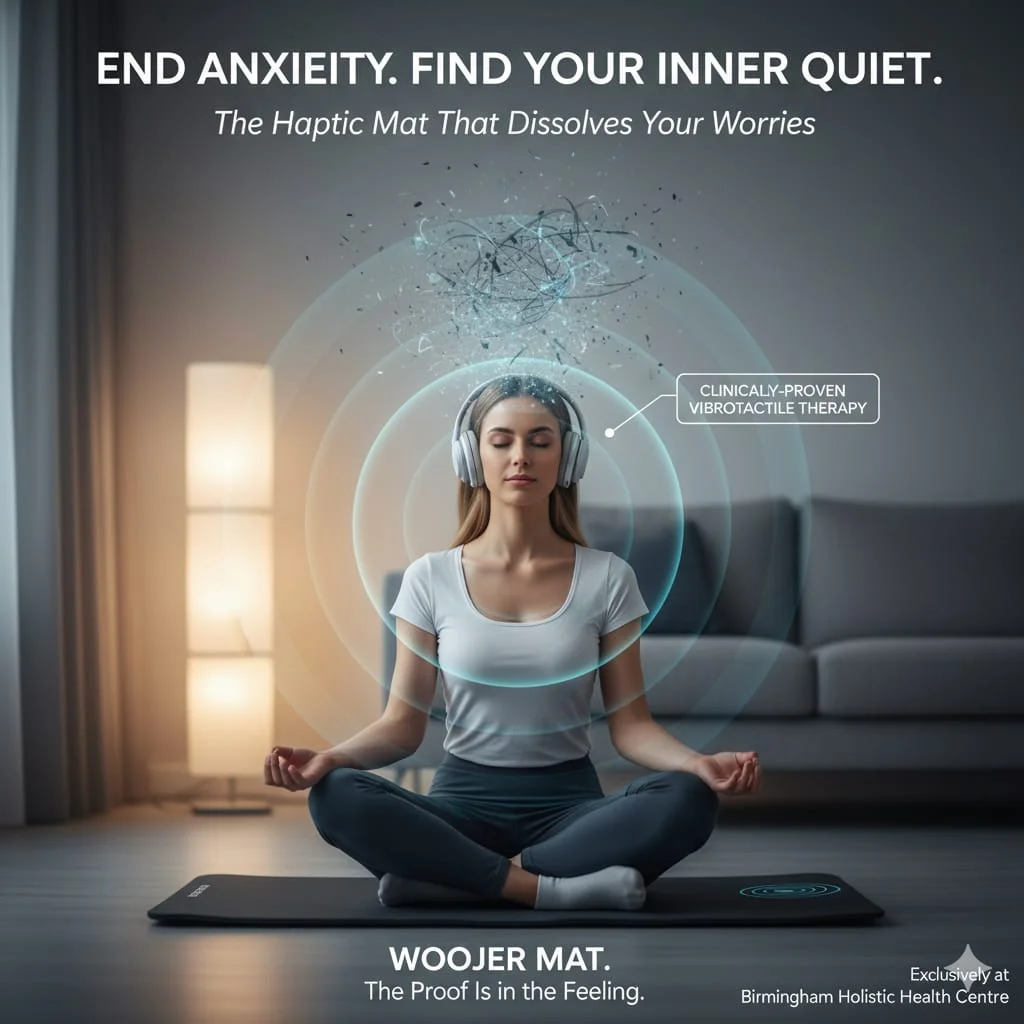
Feel the Relief: Elevate Your Recovery with the Woojer MAT
Dissolve chronic tension and restore your body’s natural harmony with immersive haptic sound therapy. Experience deep, restorative calm at the touch of a button.- click here
Relax. Recharge. Renew.
High Fidelity haptic wellness mat and QRS Exclusive to Birmingham Holistic in this combination
We have invested in some extraordinary technology for you to experience and it is an experience, starting with the woojer mat.
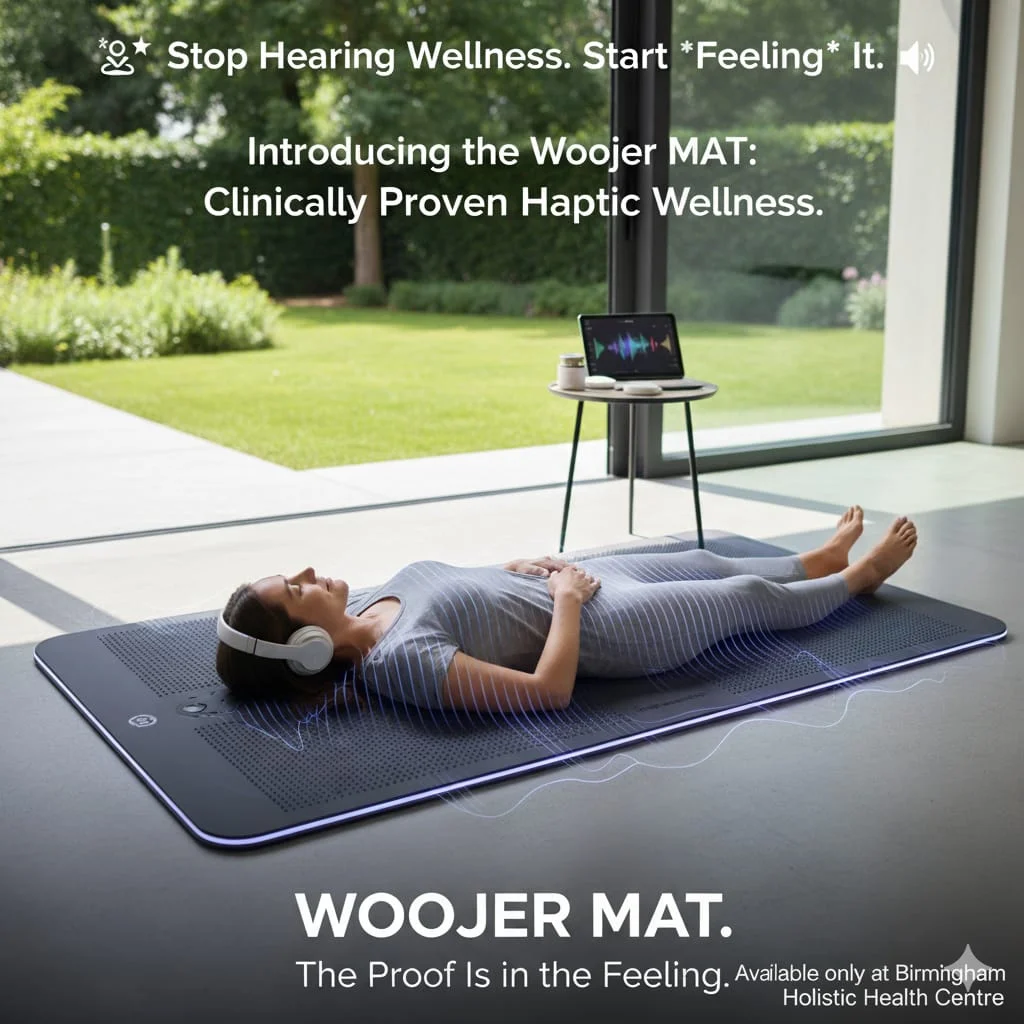
This is an amazing MAT which is a haptic wellness mat designed to transform sound into immersive vibrations for relaxation and recovery.
It uses vibroacoustic technology to convert audio signals into full-body sensations, promoting stress relief, improved sleep, and enhanced recovery
We also use a PEMF, QRS system, the only magnetic field system that emits a completely homogeneous active field over the entire body alongside this to bring you the ultimate experience in relaxation.
This combination is extraordinary and the cost of each session is £65.
We can use a balance of both mats separately, 30 mins duration on the woojer mat is usually sufficient and then we can offer some healing such as reiki or spiritual healing for the remaining 20 minutes.
Alternatively, you can also have 18 -24 mins on the PEMF after the woojer mat along with some healing making the duration between 30 and 55 minutes in total
You can save money on a block book of 5 sessions and receive the 5th one FREE , making each session only £52 per session
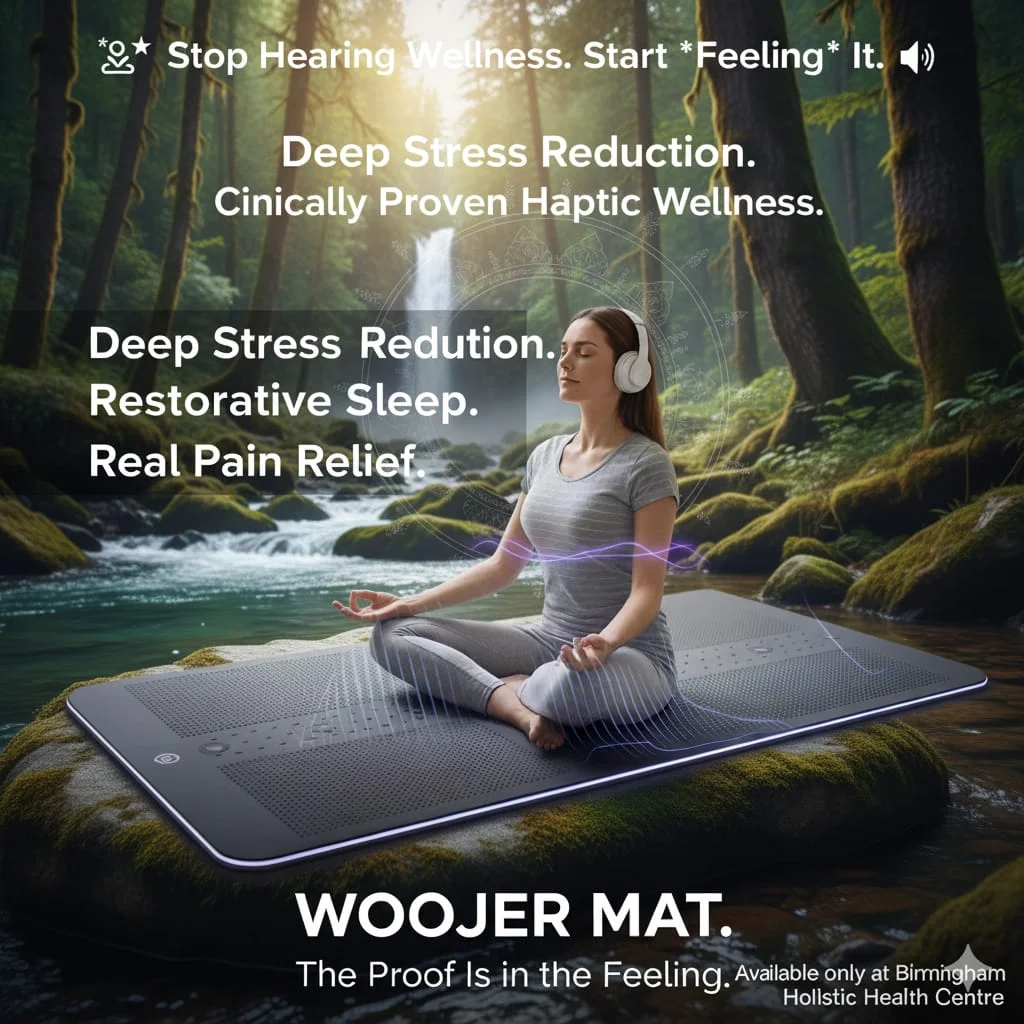
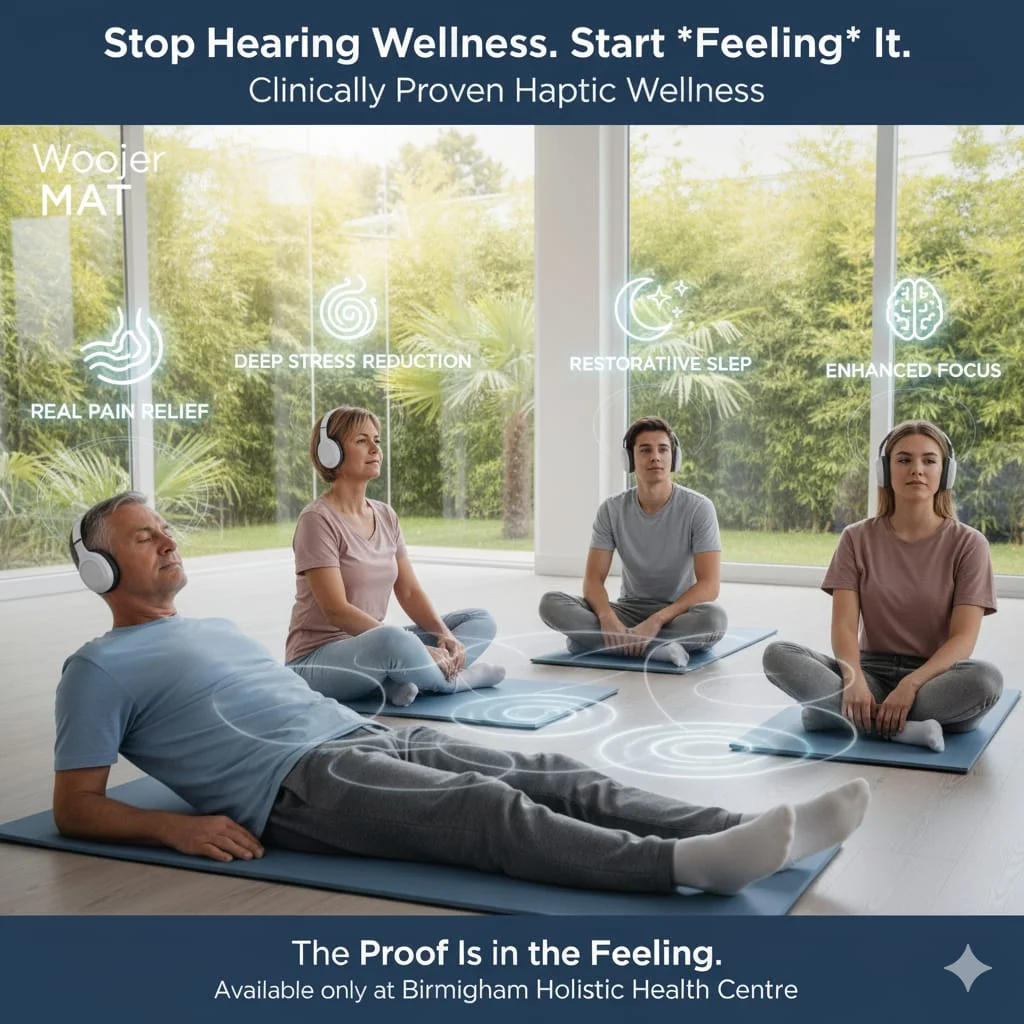
What is the woojer mat and what is the evidence?
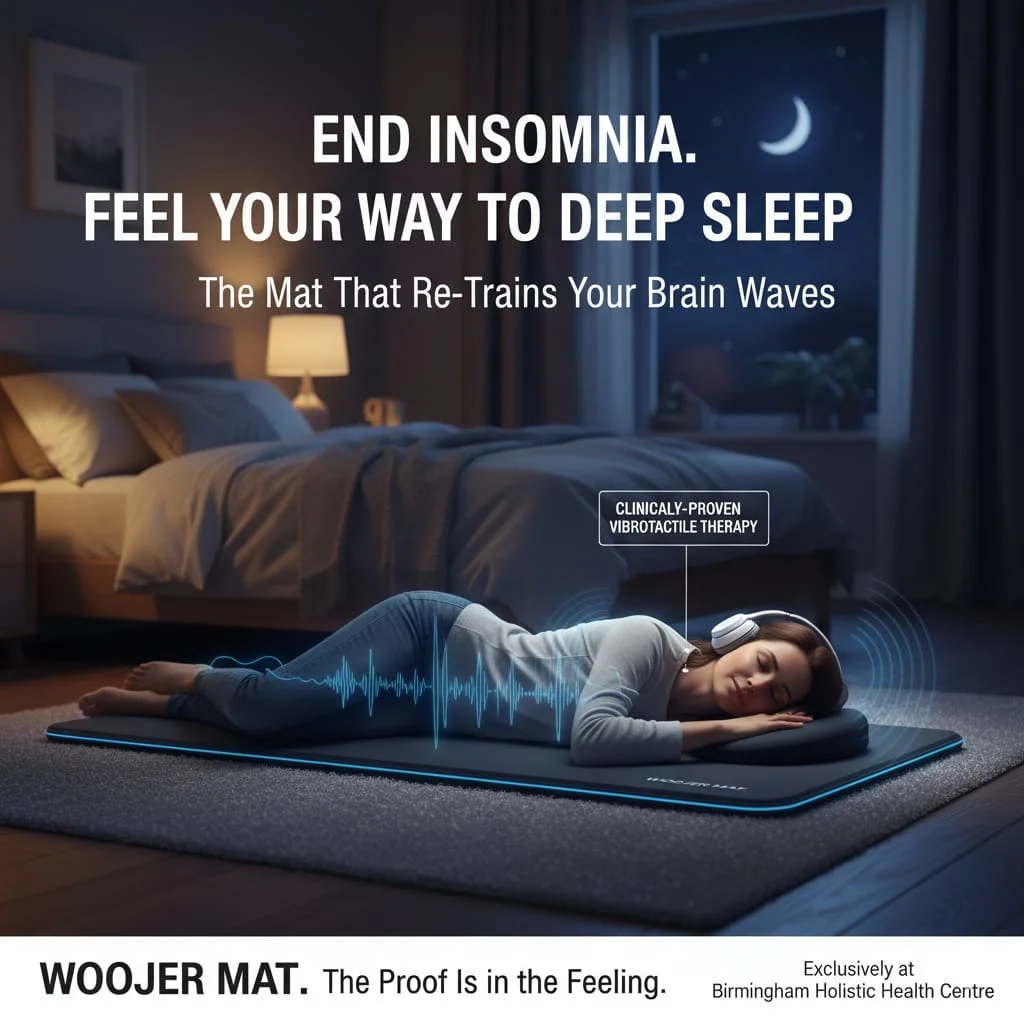
The Woojer MAT is a haptic wellness mattress topper designed to improve sleep, ease pain, reduce stress, and boost recovery. It uses vibroacoustic technology to convert audio into low-frequency vibrations that stimulate the body, promoting relaxation and better rest.
Key features include:
- Sound Therapy: Connects via Bluetooth, USB-C, or AUX to any audio source, transforming sound into immersive sensations.
- Versatile Use: Can be used for sleep, recovery, or simply for relaxation, with prebuilt vibroacoustic sessions available.
- Research Support: Backed by existing research into vibroacoustic therapy, it aims to help with pain relief, stress reduction, and overall wellness.
Science you can feel
What Is Vibrotactile (Vibroacoustic) Therapy?
Pain Relief
- Fibromyalgia Study: Low-frequency sound stimulation was associated with improvements in reported pain intensity and daily function.
- BMJ Open Scoping Review (2022): A review of adult pain studies found vibroacoustic methods to be well tolerated and reported potential benefits, while emphasizing the need for larger controlled trials.
- Metodo Frequency® Case Report (Dr. Giovanni Peduto): This case report documented changes in perceived discomfort related to ovulation, dysmenorrhea, and PCOS symptoms following vibrotactile stimulation.
- Post-Herpetic Neuralgia Case Report (2021): Vibroacoustic stimulation was associated with changes in reported nerve-related discomfort, mood, and sleep quality in an individual case.
- Ehlers–Danlos Syndrome Pilot Study (2020): Participants reported decreased pain interference and improved sleep following vibroacoustic sessions.
Stress relief
- Pilot RCT in students – Vibroacoustic stimulation was associated with shifts in HRV toward greater parasympathetic balance, suggesting a potential calming effect.
- EEG/ECG relaxation signatures (2024) – Low-frequency stimulation showed measurable physiological markers associated with relaxation.
- Effects of Vibroacoustic Stimulation on Psychological, Physiological, and Cognitive Stress – Participants demonstrated reductions in self-reported psychological and physiological stress measures.
- Haptic Technology Patch Study – Vibrotactile trigger-based stimulation was linked to reduced perceived anxiety in this exploratory study.
- Acute Stress Response Study – Low-frequency vibration was associated with enhanced parasympathetic activity during acute stress tasks.
- Gentle Vibrotactile Stimulation in Fibromyalgia – Participants reported improvements in stress-related symptoms, pain, and fatigue during vibrotactile sessions.
- Vibration Therapy and Stress-Related Sleep Disturbances – This ongoing clinical trial is investigating how vibration-based interventions may influence symptoms related to sleep and stress.
- Insomnia and fMRI connectivity changes (2024) – Vibroacoustic stimulation was associated with changes in sleep measures and altered functional connectivity patterns.
- Closed-loop vibration (2024) – In this study, participants with sleep difficulties showed improvements in both subjective and objective indicators of sleep quality.
- Mechanical bed with sleep-inducing vibration – Low-frequency vibration was linked to reduced sleep latency and increased sleepiness in this experimental setup.
- Vibrotactile awakening efficacy – Vibrotactile cues influenced awakening responses in healthy subjects, with varied effects in medicated individuals.
- Neck-based vibrotactile intervention – Vibrotactile stimulation applied to the neck was associated with reduced supine sleep time among individuals with sleep-disordered breathing.
- Vibration-based sleep system – This exploratory work examined beat-frequency vibration as a potential non-pharmacological approach to supporting sleep in insomnia populations.
Beyond wellness
Emerging Applications
Autism
- Vibroacoustic Stimulation and Emotion Regulation in Autism
- Early exploratory research has examined how low-frequency vibroacoustic stimulation may relate to attention and emotion-regulation processes in autistic children. Mixed-methods pilot (Healthcare, 2025)
- Tactile Processing and Sleep in Autism Spectrum DisordeThis study investigated the relationship between tactile sensory modulation and sleep patterns in individuals with ASD, exploring whether low-frequency tactile input could influence sleep-related behavioral measures. MDPI
- Wearable Vibrotactile Stimulation in ASD
- A pilot study evaluated the safety and tolerability of a wearable vibrotactile device delivering low-frequency stimulation intended to support sensory processing and sleep-related outcomes in individuals with ASD. PMC
Parkinson’s
Vibroacoustic Approaches in Parkinson’s Research
- Reviews have explored whether rhythmic low-frequency vibroacoustic stimulation may be associated with changes in motor-related measures among individuals with Parkinson’s disease. Frontiers in Aging Neuroscience (2020)
- Coordinated Vibrotactile Stimulation Studies
- Research into coordinated vibrotactile stimulation has examined potential effects on motor symptoms and neural activity patterns in Parkinson’s populations. PMC
Binaural and Acoustic Stimulation Research
Some studies have evaluated whether low-frequency acoustic or vibrotactile stimulation may relate to aspects of motor performance in Parkinson’s disease.
ADHD
- Vibrotactile Stimulation and Sleep Power Topography in ADHD
- This study examined how low-frequency vibrotactile stimulation related to sleep power topography in children with ADHD, exploring potential associations with sleep patterns and attentional processes. PMC
Low-Frequency Stimulation in ADHD Research
- A clinical investigation evaluated the effects of paired associative low- and high-frequency stimulation on ADHD-related behavioral measures. This research examines low-frequency approaches in a neurological context but does not relate to consumer wellness devices. ClinicalTrials.gov
Why Woojer Is Different
Precision frequencies: Tuned for low-frequency ranges widely explored in vibroacoustic research.
Full-body resonance: A MAT design that delivers evenly distributed, deeply immersive sensations.
Low latency, high fidelity: Ultra-smooth synchronization between sound and vibration for a seamless experience.
Used in exploratory settings: Wellness professionals and researchers worldwide have shown interest in vibroacoustic tools like Woojer for non-medical applications.